
Pacific Northwest Wedding Trends
Why Kusamono Fits So Naturally
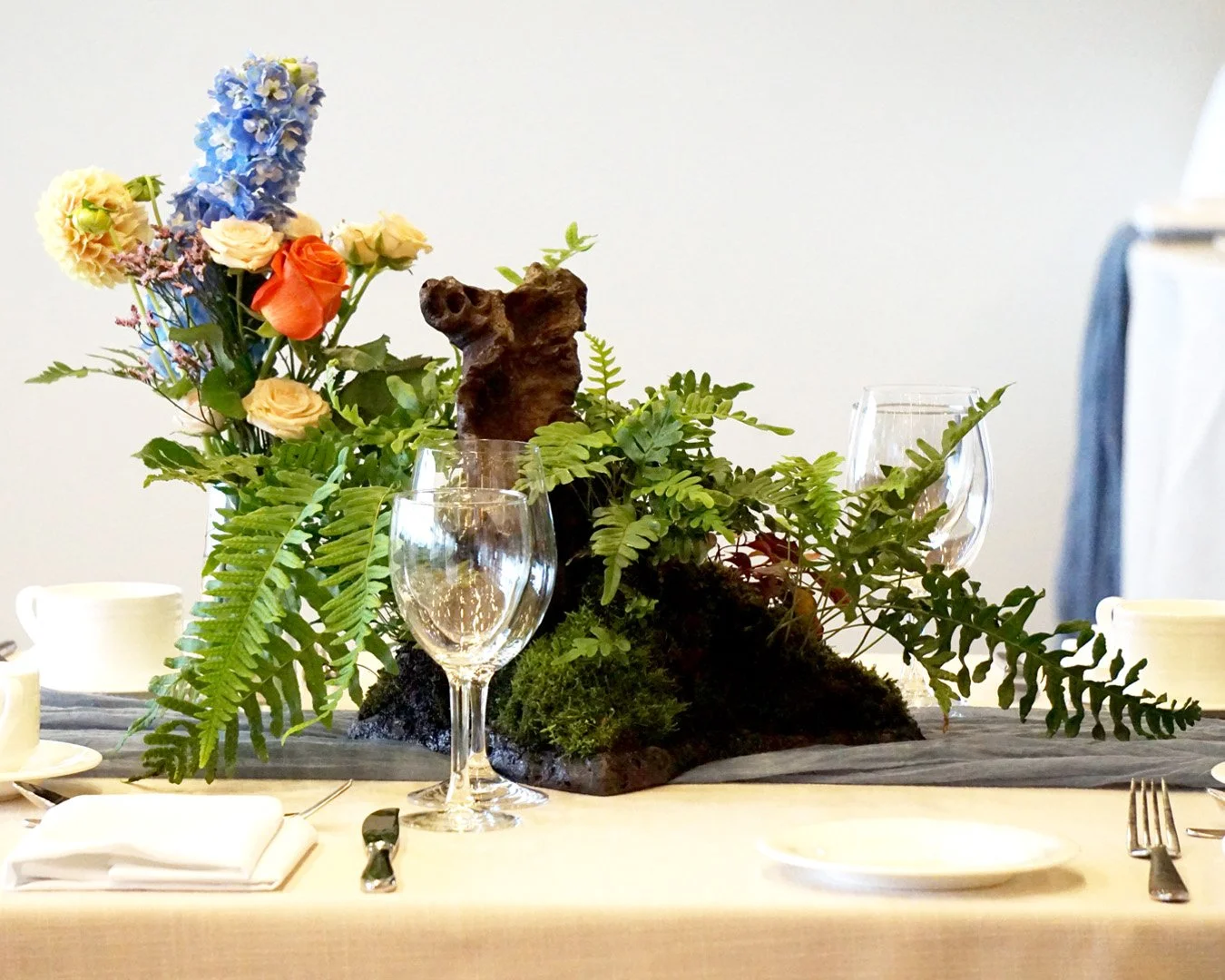
There is a quiet shift happening in weddings across the Pacific Northwest. It is not dramatic or loud. It shows up in restraint, in texture, in the way a table feels rather than how much is placed on it. Couples are stepping away from excess and leaning into something more grounded, a shift widely noted across modern wedding planning as personalization and intentional design replace traditional formats (WeddingFlitt).
Weddings in the Pacific Northwest have always been shaped by their surroundings. Forest light, coastal air, stone, moss, rain. These are not just backdrops. They influence the way a celebration is designed. And lately, that influence feels more intentional than ever.
The idea of a “perfect wedding” is no longer universal. What feels right in one region does not translate to another. In the Pacific Northwest, there is a growing preference for weddings that feel rooted in place.
This reflects a broader movement toward locally inspired design, where couples prioritize connection to the environment over standardized aesthetics (Wedding Signal).
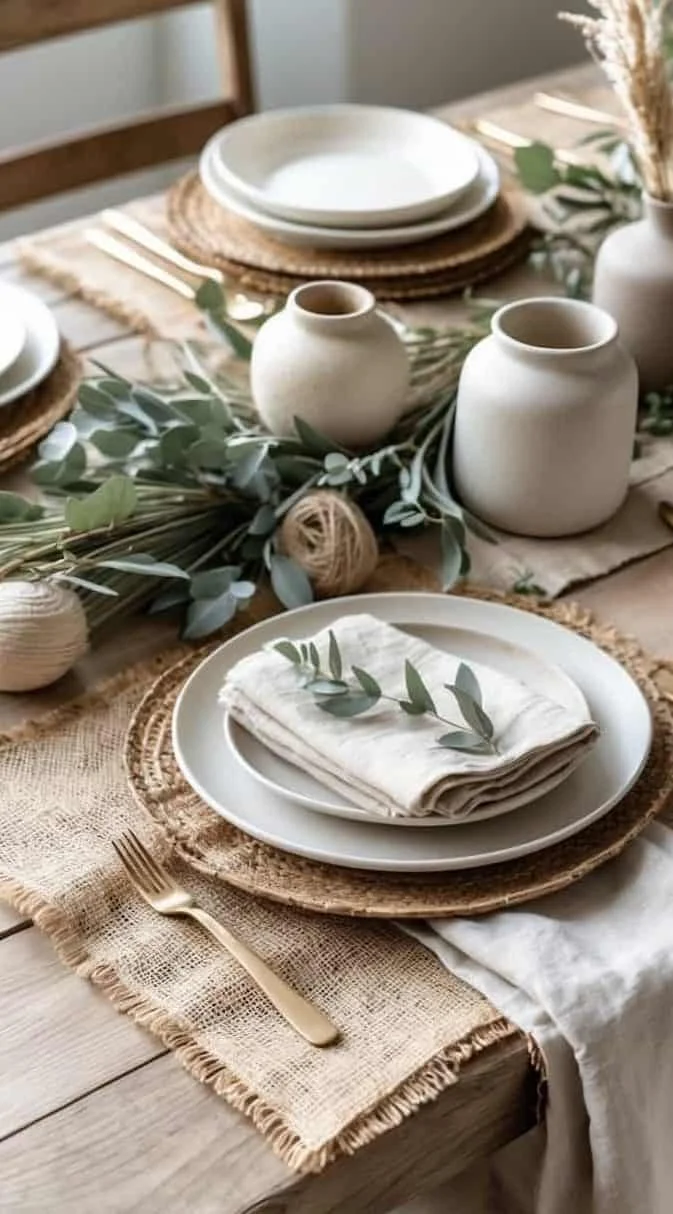
A move toward grounded, place-based design
This shows up in natural materials. Raw wood tables, soft linen textures, handmade ceramics. Colours tend to stay muted. Greens, earth tones, warm neutrals. The goal is not to impress through scale, but to create an atmosphere that feels calm and considered.
There is also a shift toward using what already exists. Venues with strong natural character are chosen over heavily decorated spaces. Outdoor settings are embraced for what they are, rather than transformed into something else.
In this context, decor becomes less about adding and more about enhancing.
This shows up in natural materials. Raw wood tables, soft linen textures, handmade ceramics. Colours tend to stay muted. Greens, earth tones, warm neutrals. The goal is not to impress through scale, but to create an atmosphere that feels calm and considered.
There is also a shift toward using what already exists. Venues with strong natural character are chosen over heavily decorated spaces. Outdoor settings are embraced for what they are, rather than transformed into something else.
In this context, decor becomes less about adding and more about enhancing.
The quiet departure from traditional florals
Florals will always have a place in weddings. But they are no longer the default starting point.
Many couples are beginning to question the role flowers play. Many traditional weddings generate hundreds of pounds of waste, much of it from single-use decor like florals (TokCare). They are beautiful, but fleeting. Often transported long distances, arranged for a single day, and then discarded. For a generation that values intention, this feels increasingly at odds with how they want to celebrate.
Recent data suggests that a majority of couples are now incorporating sustainable elements into their weddings, with many actively seeking alternatives to single-use decor. In fact, over 60% of couples now actively include sustainable choices in their wedding planning (Gitnux). That shift is not just practical. It is aesthetic.
Design is becoming more refined. Less about volume, more about form. A single thoughtful element can carry more weight than an abundant arrangement.
This is where non-floral centrepieces begin to feel less like an alternative and more like a natural evolution.
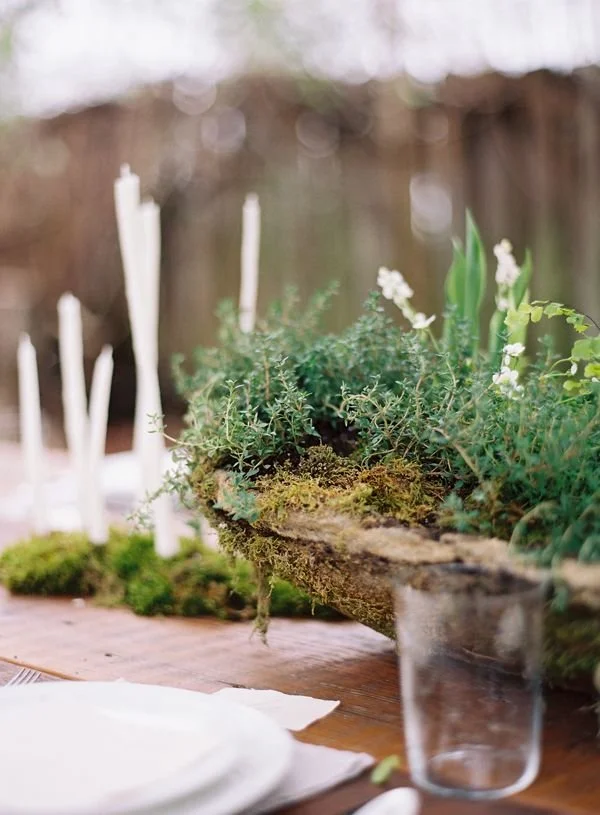
Sustainability as a design principle, not a feature
Sustainability is no longer a separate category in wedding planning. It is becoming embedded in every decision. Nearly 70% of couples say reducing environmental impact is a priority when planning their wedding (ZipDo).
From locally sourced menus to reusable decor, couples are looking for ways to reduce impact without sacrificing beauty. And in many cases, those choices are leading to more elevated design.
Living elements, in particular, are gaining attention. Living plants are increasingly being used in place of cut florals as couples look for longer-lasting, lower-waste design elements (Wedding Signal). They offer longevity. They hold presence without excess. They align with the natural landscapes that define the region.
It is not about making a statement. It is about making choices that feel aligned.
The rise of intentional tablescapes
Tables are becoming more expressive, but also more restrained. This shift toward restraint reflects a broader move away from over-styled, “cookie-cutter” weddings toward more intentional design choices (WeddingFlitt).
Instead of layering multiple decorative elements, there is a tendency to simplify. A ceramic vessel. A piece of stone. A cluster of candles. Space is left intentionally open.
This approach creates room for each element to be noticed. It also invites guests to slow down. To take in the details rather than be overwhelmed by them.
In many Pacific Northwest weddings, the table feels like a continuation of the landscape. Organic, balanced, slightly imperfect in a way that feels human.
Within this style, centrepieces are not meant to dominate. They are meant to belong.
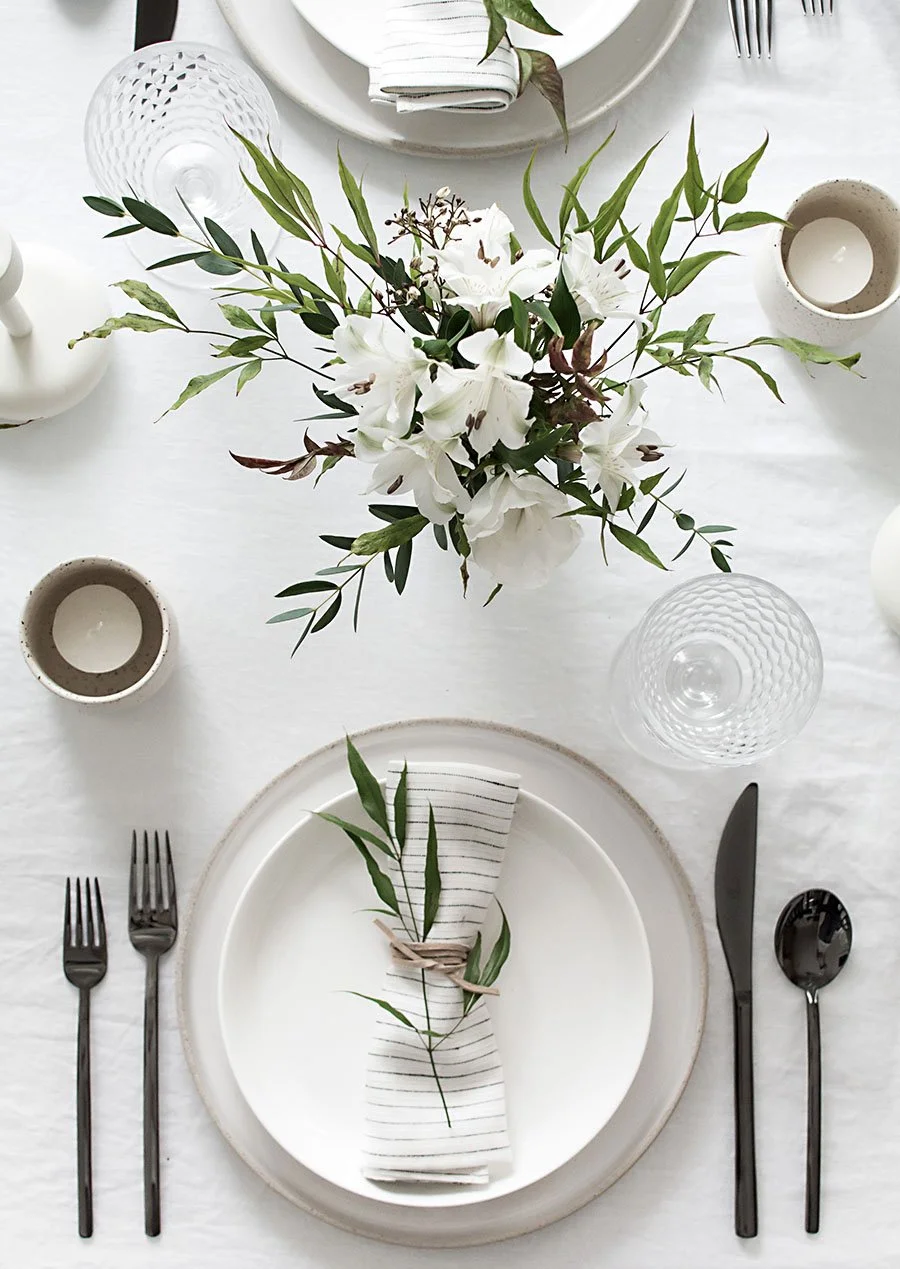
Where kusamono fits
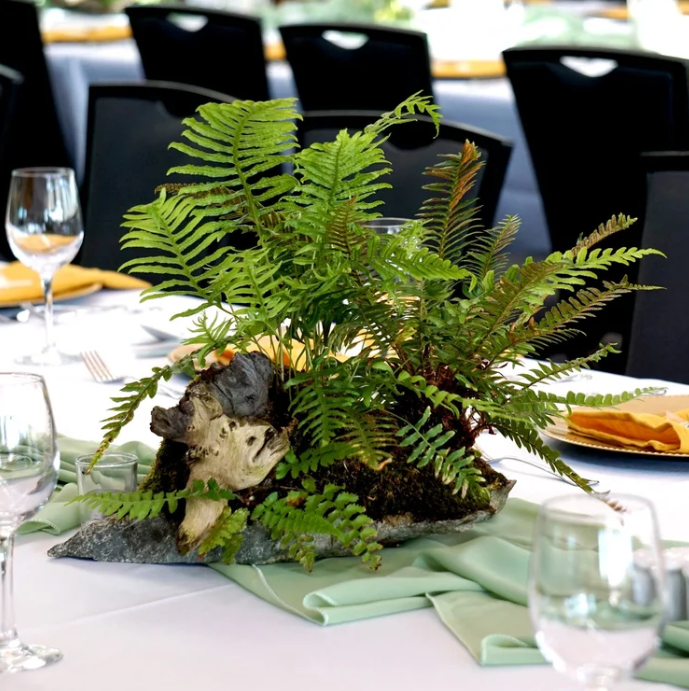
By nature, it is understated. A small, living arrangement. Often composed of grasses, moss, and seasonal plants. It does not try to replicate a bouquet. It offers something different. Something closer to the ground.
In a region where nature already plays such a strong role, this feels intuitive. Kusamono reflects the landscape rather than competing with it.
It also aligns with the values shaping modern weddings. It is living, not disposable. It can be reused. It carries a sense of time and care that cut florals cannot replicate.
Design-wise, it works effortlessly with the materials already present in Pacific Northwest weddings. Placed on stoneware or alongside linen and candlelight, it feels integrated rather than styled.
At Best Coast Bonsai, we often see couples drawn to kusamono not because they are looking for an alternative, but because it simply feels right within the atmosphere they are creating.
A quieter kind of elegance
The defining quality of weddings in the Pacific Northwest is not a specific trend. It is a feeling.
Calm. Intentional. Connected to place.
As couples continue to move away from formulaic design, there is more room for elements that feel personal and considered. Pieces that do not demand attention, but reward it.
Kusamono belongs in that space. Not as a replacement for something else, but as part of a broader shift toward weddings that feel more like an extension of the landscape than a departure from it.
Sources:
WeddingFlitt, Gitnux, ZipDo, and Wedding Signal trend reports.